Editing Vlog Content 3x Faster: Modern AI Cut Workflows for Beginners
Streamline your post-production pipeline using automated transcript editing, AI audio cleanup, and efficient pacing techniques.
Written by Team HOME
House of Modern Education
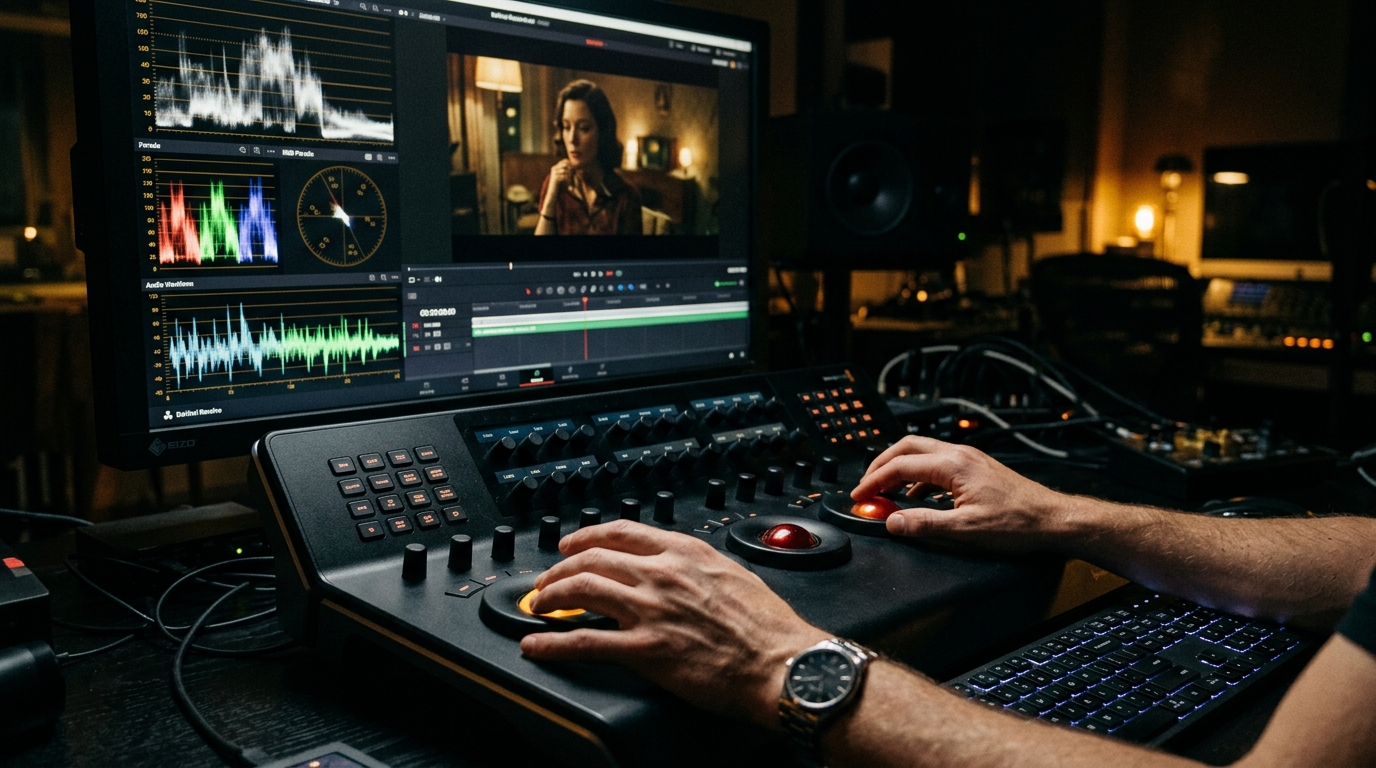
For solo creators and small video teams, post-production is often the single biggest time sink. Sifting through hours of raw camera files, trimming silences, cleaning up background noise, and syncing audio can consume up to 70% of the entire video creation timeline. Modern editing tools now automate these repetitive tasks, freeing creators to focus entirely on creative pacing and storytelling.
Text-Based Assembly Editing
Instead of manually scrubbing across hours of video timeline footage, text-based editing transcribes your spoken dialogue into a readable text document. You can highlight and delete bad takes or silent gaps just like editing a word processor document.
This cuts the initial rough-cut assembly phase down from five hours to under forty-five minutes. Your visual timeline automatically synchronizes to the text edits.
Automated Audio Cleanup and Voice Isolation
Regional creators often film in challenging acoustic environments—busy outdoor markets, windy outdoor roads, or rooms with unavoidable ambient echo. Manual equalization and noise reduction used to require advanced sound engineering knowledge.
With modern neural voice isolation, background noise and harsh room reflections can be cleanly separated from dialogue with a single slider, ensuring professional studio-grade clarity on every recording.
Pacing and Dynamic Sound Design
Once the dialogue is clean and assembled, pacing makes or breaks audience retention. Cuts should feel rhythmically aligned with natural vocal inflection and physical movement.
Subtle background audio dipping and purposeful Foley sound effects keep the viewer's subconscious attention anchored to the narrative progression.
Key Takeaways
- Adopt text-based editing to eliminate repetitive timeline scrubbing and reduce rough-cut time by over 70%.
- Use neural voice isolation to guarantee crisp speech clarity even when filming in noisy real-world environments.
- Cut on physical motion and vocal inflection to keep video transitions smooth and unnoticeable.